Detecting a leak in time can save hundreds of euros in repairs. In this guide I explain how to identify clear signs, how to do a quick 10-minute check and when it is essential to call a plumber.
Contents
Quick summary and key steps
Visible and hidden signs
Quick 10-minute check
Methods and tools to detect hidden leaks
How much it costs to detect and repair a leak
How to minimise damage while you wait for the plumber
Frequently asked questions (FAQ)
1. Quick summary and key steps
Turn off all the taps, take a photo of the meter, wait 10–15 minutes and check again whether it has moved. If the meter moves with no water being used, there is a high probability of a leak. Act calmly and document everything with photos.
Below, I explain how to identify each type of leak and what to do in each case.
2. Visible and hidden signs
Leaks can be obvious or go unnoticed for weeks. These are the most common signs:
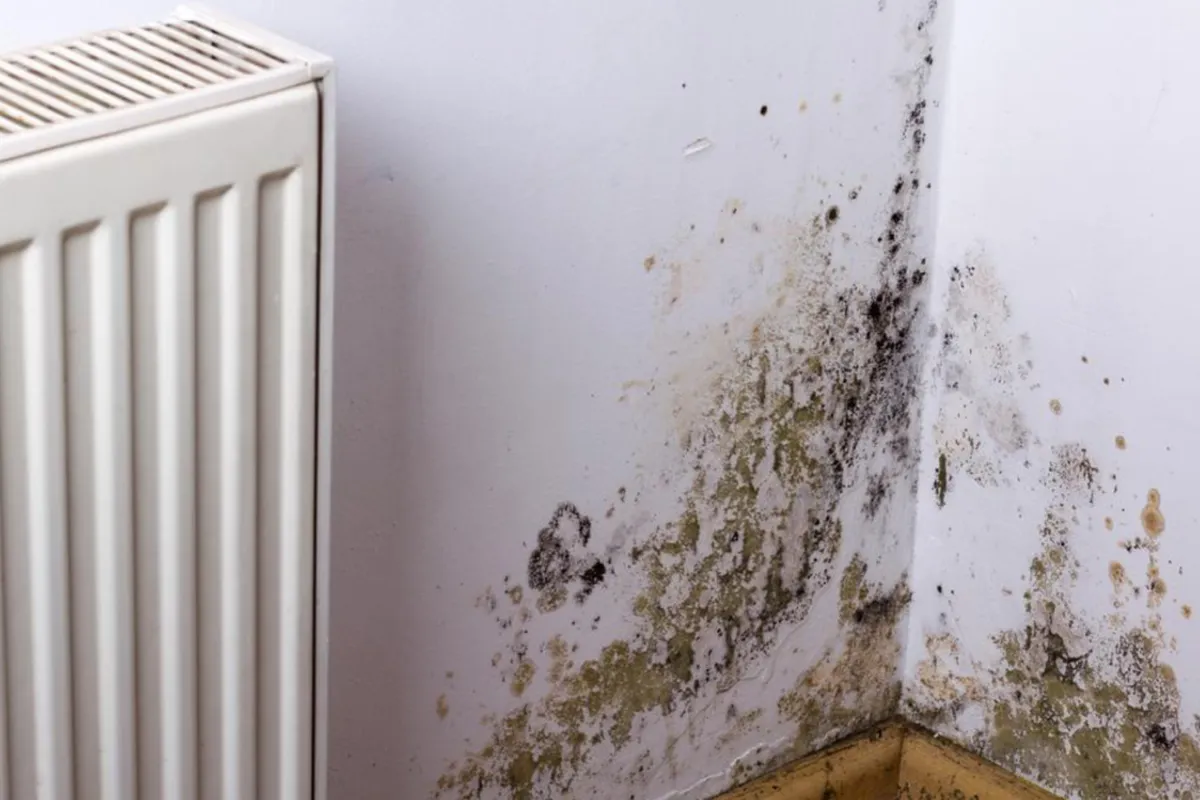
Damp stains on walls, ceilings or skirting boards.
Smell of mould or swollen wood.
Low pressure in the taps.
Sound of running water when everything is turned off.
Abnormally high water bill (compare periods).
Losses in water networks in Spain are usually between 15% and 25%, which is why early detection is key.
3. Quick 10-minute check
A simple test to confirm whether there are leaks:
Turn off all the taps and appliances that use water.
Write down or photograph the meter.
Wait 10–15 minutes without using water.
Check the meter again: if it has moved, there is a leak.
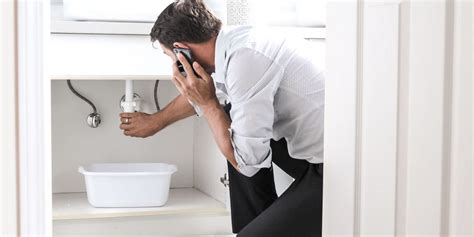
Check under the sink, behind the washing machine, the bathroom, …
If the meter does not move but there is damp, it may be an intermittent or localised leak.
4. Methods and tools to detect hidden leaks
If you are sure there is a leak, whether or not there are visible signs, call a plumber. They will use some of these techniques to locate the problem:
· Acoustic detectors: pick up sounds in buried pipes.
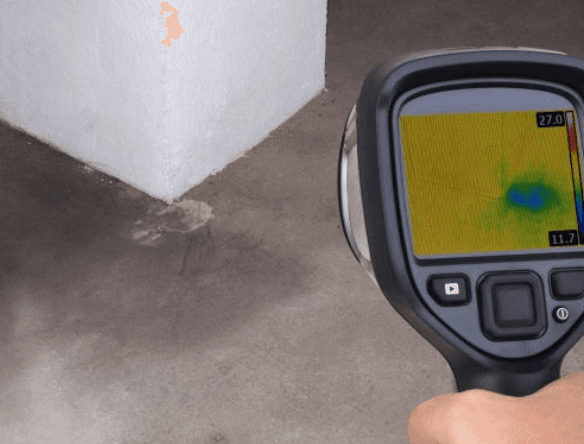
· Thermal imaging cameras: show temperature differences caused by damp.
· Endoscopic cameras: inspection of cavities and false ceilings. Non-invasive solutions make it possible to locate leaks without interrupting the service in many cases.
· Pressure test: the circuit is closed and any loss of pressure is measured.
Detecting the leak is only the beginning. To reach the pipe and seal or replace it, the wall or floor will have to be opened up. Normally the plumber opens up the wall and fixes the leak, but in most cases they do not repair the wall, so you have to call a builder, which increases the time and the price of the repair.
5. How much it costs to detect and repair a leak
Prices vary depending on the city, the time of day, the time needed to detect the leak and how serious the leak is. Always ask for an itemised quote.
Action | Guide price | Note |
Basic check (meter + inspection) | 0–50 € | You can do it yourself |
Location with an acoustic detector | 80–180 € | Includes call-out |
Location with a thermal imaging camera | 120–250 € | Ideal for hidden leaks |
Simple repair (seal, trap) | 60–150 € | Depending on the material |
Repair of a hidden break | 150–400 € | May require building work |
Bear in mind that these prices only include detecting and repairing the leak, not repairs to walls or floors.
6. How to minimise damage while you wait for the professional
Turn off the main stopcock if the leak is visible. In a flat it is usually in the kitchen or the utility room.
Place containers to collect the water.
Dry the area to avoid damage to wood or parquet.
Switch off the electricity if the water is close to sockets.
Take photos for the insurance and for the professional.
7. Frequently asked questions (FAQ)
Q: How do I know if my bill went up because of a leak? Compare meter readings and check consumption when you are not using water.
Q: Can I locate a hidden leak myself? You can do basic checks, but for hidden leaks it is better to use a professional with the right equipment.
Q: How long does it take a plumber to locate a leak? Between 30 minutes and 2 hours, depending on the type of leak, the size of the home and the equipment needed.