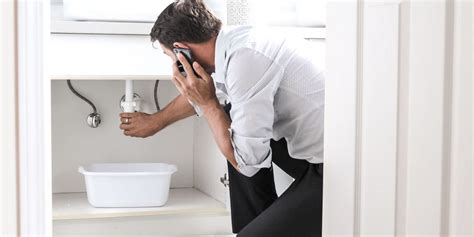


Do you have a dripping tap in the bathroom or kitchen? That constant drip is not just annoying: it wastes water all day and, if left alone, it usually gets worse.
In this guide you will see why a tap drips, how to tell which type you have and which part has failed, how to fix it step by step and when it is worth calling a plumber.
Contents
Why a tap drips even when it is turned off
A tap drips when the part that shuts off the water no longer seals completely. It is almost always one of these causes.
Worn washer. It is the rubber that closes the flow in two-handle taps. Over the years it hardens, cracks and lets water through.
Damaged ceramic cartridge. In mixer taps, the two ceramic discs in the cartridge get scratched or worn and stop sealing.
Limescale build-up. Scale stops the washer or cartridge from seating properly.
Pitted valve seat. If the surface the washer rests on is corroded, the tap keeps dripping even after you change the rubber.

In Galicia the water tends to be soft, so a worn washer is the most common cause. In hard-water areas, limescale plays a much bigger role.
If the water does not come out of the spout but from the base or the handle, the problem lies in the O-rings of the tap body, not the washer or the cartridge.
Which type of tap you have and which part fails
The fix depends on the mechanism, so the first step is to identify the type of tap. There are three common ones at home.
Two-handle tap
It has one handle for cold water and another for hot, which turn several times. Inside each one there is a headgear with a rubber washer at the tip, and that is the part that usually fails.
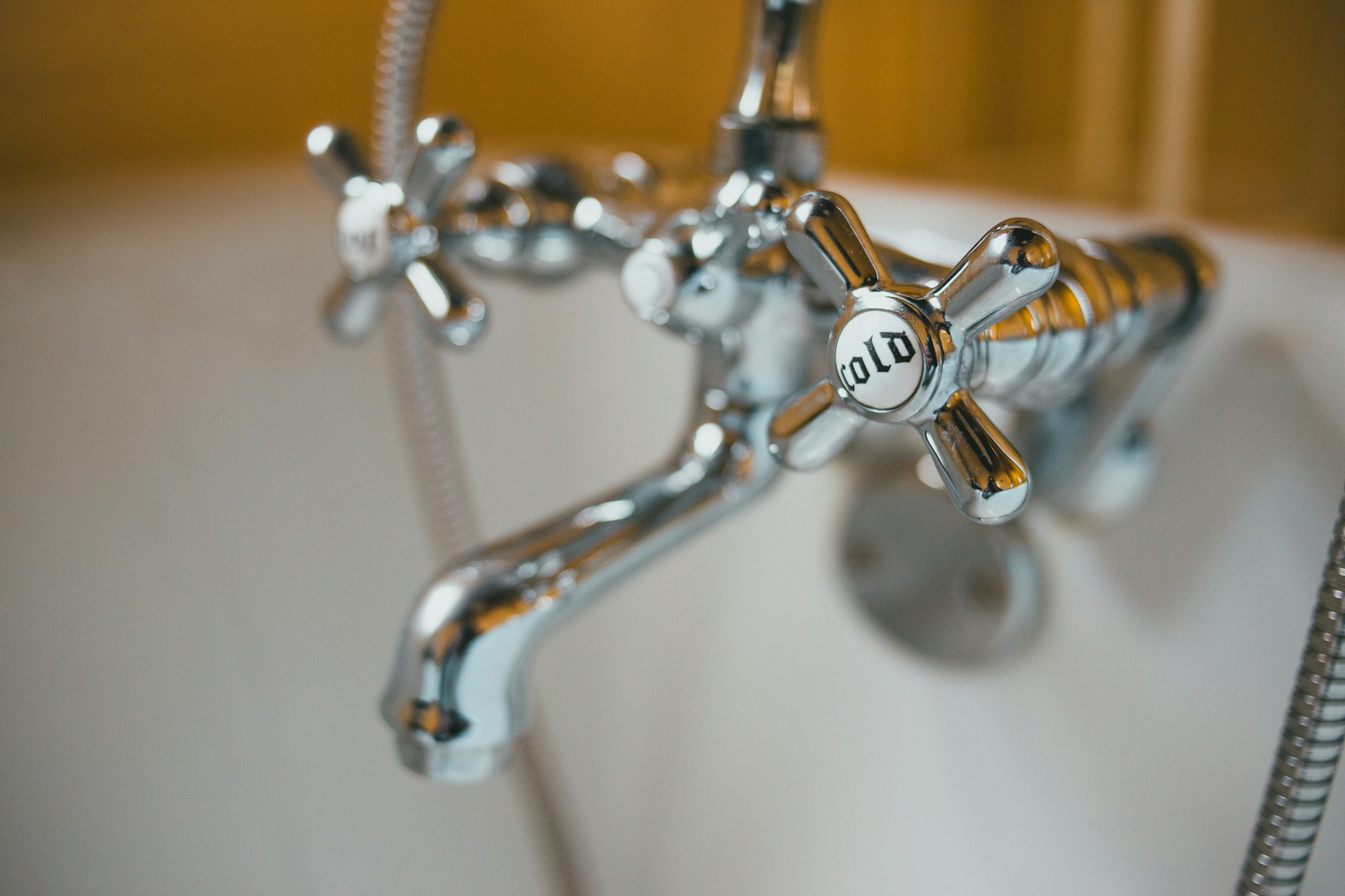
Mixer tap
It works with a single lever that controls flow and temperature. It has a ceramic cartridge, and when it drips the usual fix is to replace the whole cartridge.
Thermostatic tap
It is common in showers and keeps the temperature you choose with a graduated dial. It has a thermostatic cartridge, which is more delicate and more expensive than a mixer cartridge.
What you need before you start
For a basin or kitchen sink tap four things are enough, and most toolboxes already have them.
Adjustable spanner
You will use it to loosen the headgear or the cartridge nut. Wrap the parts in a cloth so you do not scratch the chrome.
Screwdrivers and an Allen key
You will need a flat and a cross-head screwdriver for the cover cap and the handle screw, and a small Allen key if the handle has a grub screw.
The replacement part
A washer, seal or cartridge of the same model as the one you are replacing. A plumber’s tip: take the tap apart first and bring the old part to the shop, so you buy the exact replacement and avoid a second trip.
Vinegar and a container
Vinegar dissolves limescale on the metal parts and the aerator. The container stops small screws and seals from getting lost.
How to fix a dripping tap step by step
The process is the same for a two-handle tap and a mixer tap; only the part you replace in step four changes.
1. Turn off the water and drain the tap
Close the isolation valves under the basin or sink. If there are none, close the main stopcock. Then open the tap to let the remaining water out.
2. Remove the handle
Carefully take off the cover cap; it is usually a push-fit cap, sometimes with a red or blue dot. Underneath there is a screw that holds the handle or lever.
3. Take out the headgear or cartridge
With the spanner, unscrew the headgear or the cartridge nut while holding the tap body with your other hand so you do not strain the pipes.
4. Replace the worn part
On a two-handle tap, replace the washer at the tip of the headgear. On a mixer tap, fit a new cartridge of the same model, in the same position as the old one.
5. Clean off the limescale and reassemble
Leave the metal parts in vinegar for a while and clean the valve seat. Put everything back in reverse order and tighten without overdoing it, because a forced thread causes more trouble than an old washer.
6. Turn the water back on and check
Open the valves slowly and check it does not drip from the spout or the base. If it still drips, the seat may be pitted or the replacement may be the wrong one.
When to call a plumber
Changing a washer is within almost anyone’s reach, but in some cases it is worth calling a professional.
The tap is old and you cannot find spare parts.
It still drips after changing the washer or cartridge, a sign of a damaged seat.
It is a built-in or thermostatic shower tap.
You see damp on the wall behind the tap.
A thread is stripped or a nut will not budge and you do not want to risk breaking the pipe.
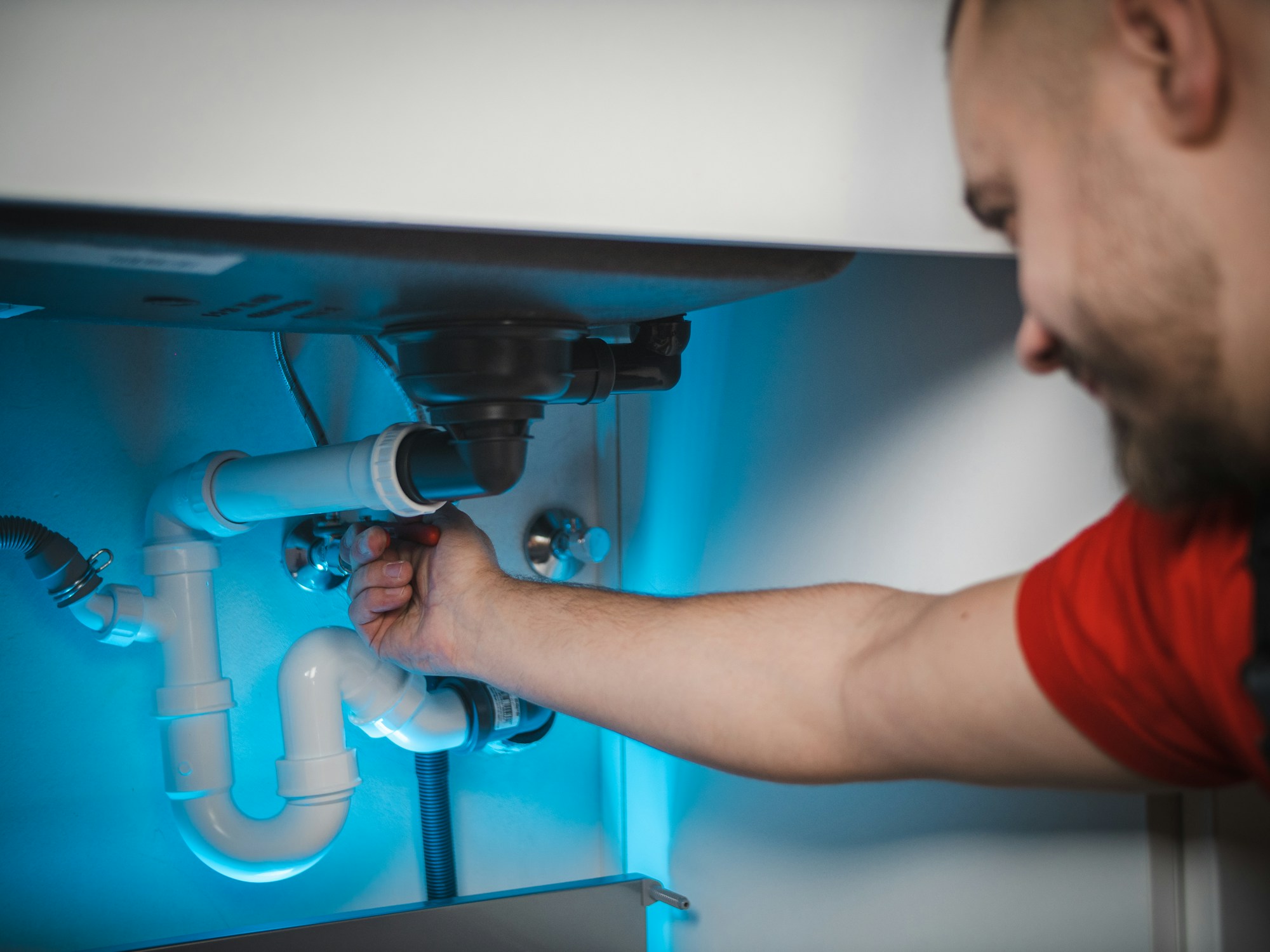
If damp appears on the wall, it may be more than the tap. Here is how to detect a water leak at home.
If you are in A Coruña or the surrounding area, you can see our home services in A Coruña.
How to stop the tap dripping again
A few habits extend the life of washers and cartridges.
Do not overtighten when closing. On two-handle taps, forcing it shut crushes the washer early.
Clean the aerator at the end of the spout with vinegar from time to time.
Act as soon as the dripping starts. A small drip gets worse and ends up damaging the seat.
Choose quality spare parts, from the same manufacturer when possible.
Tap still dripping? At Xerux we can help in A Coruña
A dripping tap is almost always fixed by changing the washer or the cartridge. Identify the type of tap, turn off the water and follow the steps calmly.
If the tap is old, built-in or still drips after changing the part, at Xerux we work with verified plumbers in A Coruña and in Arteixo, Culleredo, Oleiros, Cambre, Sada and Abegondo.
Find a plumber in A Coruña on our website in a few steps.
Read more